Top Pest Control Services for a Safer, Healthier Home
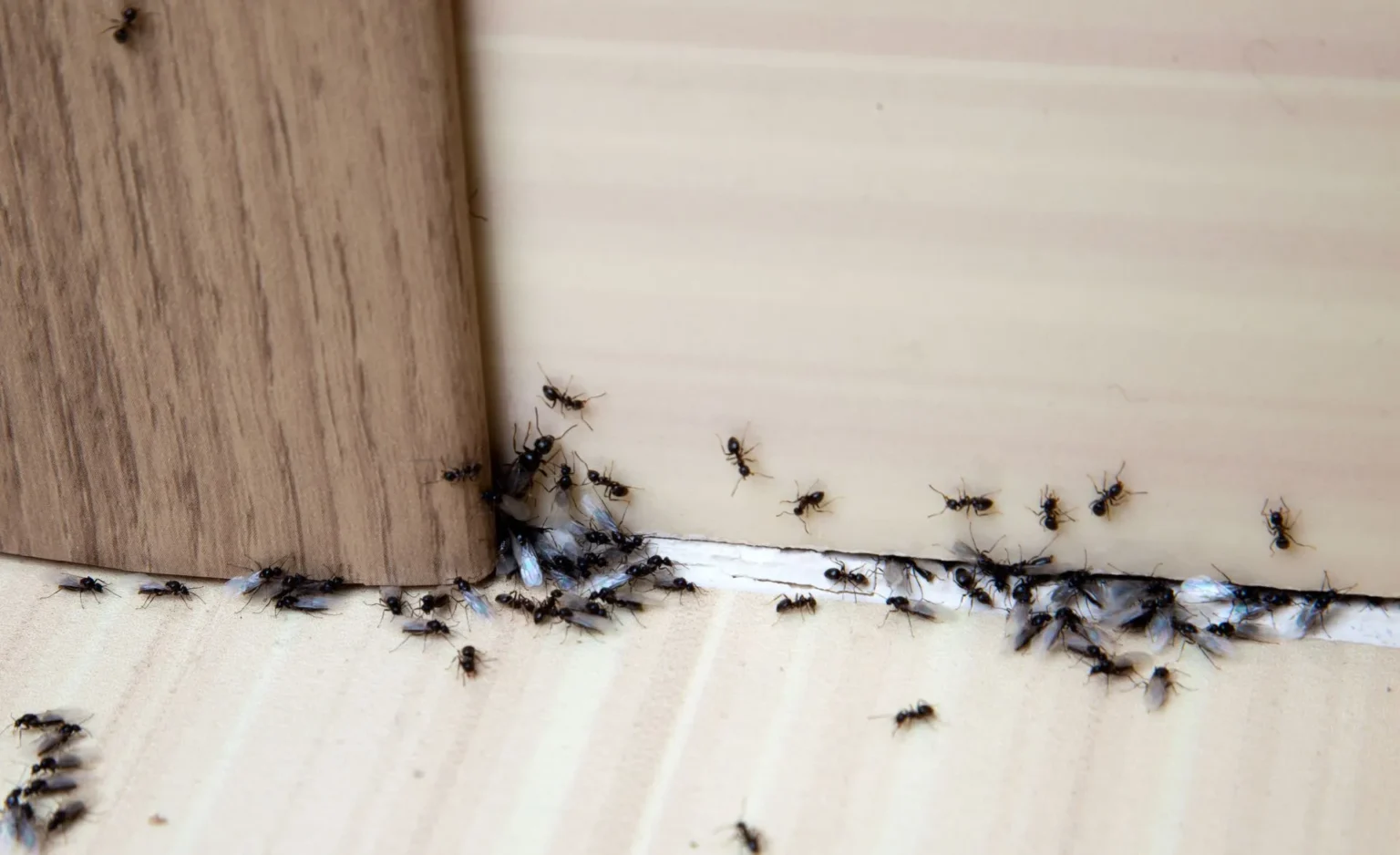
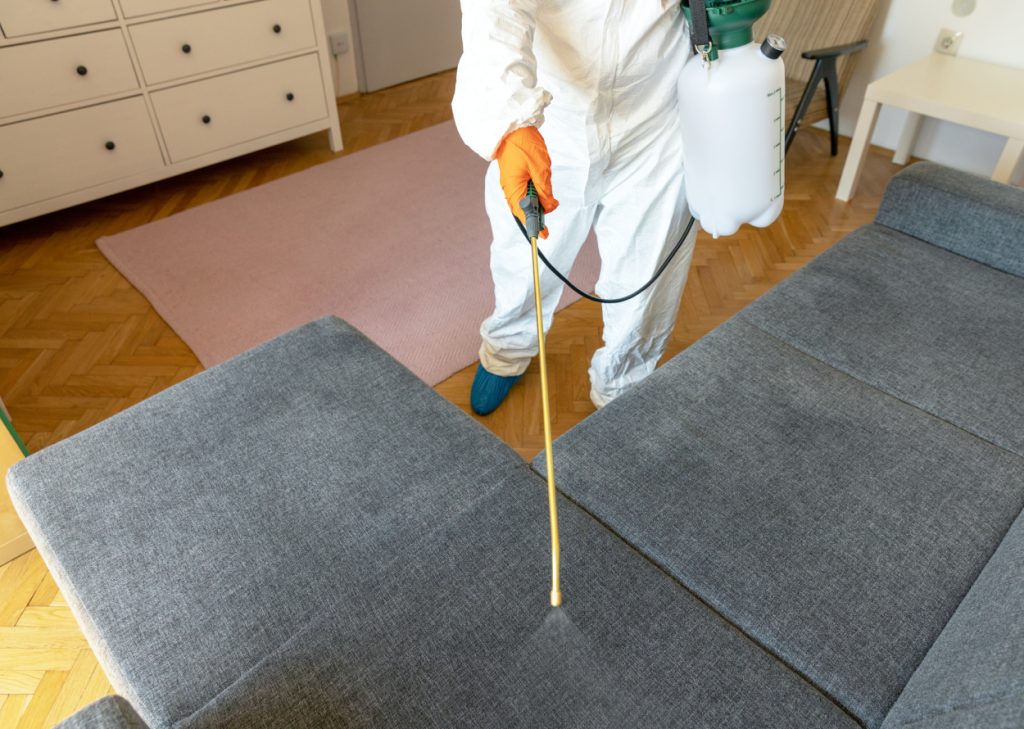

A safe home is not just clean and comfortable. It is also protected from the quiet damage, contamination, and stress that pests can bring indoors. Most infestations do not begin with a dramatic event. They start with a few ants near a baseboard, a scratching sound in the attic, a line of droppings behind the water heater, or a wasp nest tucked under the eaves. By the time many homeowners act, the problem has already moved past a simple do-it-yourself fix.
That is where professional Pest Control Services earn their value. Good service is not about spraying every surface and hoping for the best. It is about inspection, identification, targeted treatment, follow-up, and prevention. The best technicians think like investigators. They look for moisture, entry points, food sources, harborage areas, and seasonal patterns. They understand that termite activity calls for a different response than cockroach activity, and that a home with children, pets, or immune-sensitive occupants needs extra care in product selection and application.
The right provider does more than remove pests. It helps restore peace of mind. A healthier home starts with knowing which services matter most, when to use them, and how to judge whether a company is solving the real problem instead of masking the symptoms.
What makes a pest control service worth hiring
Homeowners often compare companies by price first, which is understandable. But pest control is one of those trades where the cheapest option can become expensive later. A light, rushed treatment may kill what is visible and leave the source untouched. A strong service plan, by contrast, is built around the biology of the pest and the conditions of the property.
A skilled technician begins with a thorough inspection. That includes crawl spaces, attics, utility penetrations, window frames, garages, landscaping near the structure, and areas with water access such as kitchens, bathrooms, and laundry rooms. The goal is to answer several questions. What pest is present? How large is the activity? Where is it coming from? What conditions are helping it thrive? Can the issue be solved primarily through exclusion and sanitation, or does it require a treatment program over time?
Experience shows up in small details. A technician who notices mulch piled too high against siding, torn door sweeps, standing water under a deck, or grease buildup under appliances is often more useful than one who simply applies product and leaves. Those details matter because pest pressure is rarely random. It follows opportunities.
Another marker of quality is communication. Reliable companies explain what they found, what they are treating, what products they are using, what precautions matter, and what results to expect over the next few days or weeks. That last point is important. Not every service works instantly. Some pests decline in stages, and some treatments rely on transfer effects or life-cycle interruption. A professional should say that plainly.
General pest control for the problems that keep coming back
For many homes, the most practical starting point is a recurring general pest control program. This service usually covers common invaders such as ants, spiders, silverfish, earwigs, and occasionally centipedes or occasional roaches depending on the region and the provider’s service agreement.
What makes general service valuable is consistency. In the field, many repeat calls come from houses where pests are not nesting deep inside the home, but are constantly entering from outside. Exterior treatments, crack and crevice applications, web removal, monitoring, and seasonal adjustments often make the biggest difference. A spring ant problem does not behave like a late summer spider surge, and a warm, wet season can increase pressure from moisture-loving insects around foundations and crawl spaces.
A good general plan also reduces the need for heavier intervention later. When the perimeter is managed, entry points are sealed, and moisture issues are addressed early, homeowners often avoid larger infestations that would otherwise require intensive interior treatment.
That said, general service has limits. It will not solve a deep German cockroach infestation in a kitchen, eliminate termites from structural wood, or remove rodents in an attic. Those situations call for specialized work.
Termite control, where delaying action gets expensive fast
Termites are one of the most serious household pests because they work quietly and can cause structural damage over time. In many cases, homeowners do not see the insects themselves. They notice mud tubes along a foundation wall, blistering paint, hollow-sounding trim, damaged baseboards, or swarmers near windows during certain times of year.
Professional termite service generally falls into two broad categories, liquid barrier treatments and baiting systems. Both can be effective when used correctly, and each has strengths depending on the construction of the home, the termite species, soil conditions, and the extent of activity.
Liquid treatments create a treated zone around the structure and, in some cases, at known activity points. They can be highly effective but require precise application. Bait systems work differently. They monitor for termite activity and deliver control over time through feeding and colony impact. Some homeowners prefer bait systems because they provide ongoing monitoring, especially in high-risk areas.
The important thing is not to reduce termite control to a one-size-fits-all sales pitch. A slab home with landscaping tight against the foundation presents a different challenge than a house with a crawl space and chronic moisture issues. If a company skips inspection details and jumps straight to a generic package, that is usually a sign to keep looking.
Termite work is also one area where documentation matters. A careful diagram of findings, treatment locations, and conditions conducive to infestation is more than paperwork. It helps homeowners understand risk and gives them a record for future service and, in some markets, resale discussions.
Rodent control, the service that often requires the most patience
Mice and rats create a different kind of urgency. Beyond the obvious discomfort, they can contaminate food storage areas, chew wiring, damage insulation, and spread allergens through droppings and urine. In attics and wall voids, the problem can grow for weeks before a homeowner notices.
Effective rodent control is never just about traps or bait. It begins with exclusion. If access points remain open, removal efforts turn into an expensive loop. I have seen homes where owners paid for repeated trap resets while gaps at utility lines, roof returns, crawl space vents, or garage corners remained unsealed. The rodents kept returning because the route stayed open.
A proper rodent service includes inspection, trapping or baiting where appropriate, sealing likely entry points, and sanitation guidance if activity has been heavy. Attic restoration may also be needed in severe cases, especially when insulation has been soiled and odors continue attracting activity.
Results can take time. A realistic provider will not promise total resolution in a day or two if the infestation is established. Instead, they will explain the expected timeline, where follow-up visits are needed, and what signs show progress. That honesty is usually a better predictor of success than flashy guarantees.
Cockroach treatment, where precision matters more than volume
Roach control is one of the clearest examples of why technique beats overapplication. Different species behave differently. Large roaches that wander in from outdoors are not managed the same way as German cockroaches nesting in kitchens and appliances. The latter are especially challenging because they reproduce quickly and hide in tight, warm spaces near food and moisture.
Strong cockroach treatment often combines several methods, gel baits, insect growth regulators, targeted dusts in voids, monitoring, and focused sanitation changes. Spraying broad surfaces indiscriminately can interfere with bait performance and push activity deeper into walls. That is why experienced technicians are selective.
For apartments, condos, and shared-wall housing, the challenge increases. Roaches do not respect lease lines. One well-maintained unit can still struggle if neighboring units have pressure. In these situations, the best companies are candid about the need for coordinated building management. Homeowners and tenants deserve that clarity upfront.
A practical sign of good service is whether the technician asks detailed questions. Are roaches seen mostly at night? Under which appliances? Are there leaks under the sink? Is cardboard stored in the pantry? Has anyone recently moved in secondhand appliances or furniture? Those details can shape the treatment plan more than the square footage of the home.
Mosquito and tick control for outdoor living spaces
Outdoor pest control has become more important as homeowners use patios, play areas, and backyards as daily living space. Mosquitoes are not just irritating. In some regions, they also raise public health concerns. Ticks carry their own risks, especially in wooded or brush-heavy properties.
Mosquito service usually focuses on resting sites and breeding conditions. That means shaded foliage, damp areas, under decks, dense shrubs, clogged gutters, and containers that collect water. Treatments can knock down active populations, but the longer-term improvement often comes from habitat reduction. Even a few bottle caps, saucers, or low spots that hold water can keep a mosquito issue alive through warm months.
Tick control often centers on perimeter vegetation, transitions between lawn and woods, leaf litter, and areas where pets move regularly. The property layout matters a great deal. A tight suburban lot with little shade poses different risks than a larger property that borders unmanaged brush or deer traffic.
Homeowners sometimes expect a single mosquito treatment to make a yard insect-free all season. That is rarely realistic. Weather, rainfall, irrigation, and neighboring breeding sites all affect results. Good service improves usability and lowers pressure, but it should be paired with maintenance habits that support the work.
Bed bug treatment, one of the most demanding specialized services
Bed bugs create a level of stress that few other pests match. They affect sleep, travel routines, furniture use, and often the homeowner’s sense of security. They are also notoriously difficult to eliminate without a disciplined treatment plan.
Professional bed bug control may involve heat treatment, targeted chemical treatment, or a combination of methods. The right approach depends on infestation level, clutter, room layout, and budget. Heat can be highly effective when performed correctly, but it requires proper preparation and even temperature reach. Chemical programs often require multiple visits and strict cooperation on laundering, bagging, and reducing hiding spots.
This is not a service where shortcuts pay off. Over-the-counter foggers and random internet remedies often spread bugs into new areas without solving the population. A strong bed bug provider spends time on inspection, explains prep clearly, and gives realistic guidance on reinspection.
The emotional side matters here too. Clients dealing with bed bugs are often exhausted and embarrassed, even though infestations can happen in very clean homes. The best professionals understand that and communicate without judgment.
Wildlife and nuisance animal removal
Not every pest problem comes from insects or rodents. In many areas, homeowners also deal with squirrels in attics, raccoons in crawl spaces, bats in structures, or birds nesting in vents and soffits. These cases cross into wildlife control and usually require a different level of expertise, including knowledge of local regulations and humane removal standards.
Wildlife work depends heavily on entry-point analysis and repair. Removing the animal without securing the opening almost guarantees a repeat issue. Timing also matters. During breeding seasons, exclusion may need to be planned carefully to avoid trapping young animals inside.
Cleanup can be as important as removal. Nesting materials, droppings, and damaged insulation can create odor and sanitation problems long after the animal is gone. A complete service addresses the aftermath, not just the capture.
How to compare companies without getting lost in the sales pitch
A polished website and a low introductory rate can be persuasive, but neither tells you much about service quality. Homeowners get better results when they focus on how the company diagnoses, documents, and follows through.
Here are the questions that usually separate solid providers from rushed ones:
- What exactly did the inspection find, and where?
- What is causing the pest pressure in this home?
- What treatment method fits this pest and why?
- What follow-up is included if activity continues?
- What changes should the homeowner make to support the treatment?
If the answers are vague, that is a warning sign. So is heavy pressure to buy annual service before the technician has explained the current problem. Pest control works best when the recommendation matches the biology of the pest and the conditions of the property, not when every customer receives the same script.
It also helps to ask whether the company is handling the work with employees or subcontractors, how technicians are trained, and whether service notes will be provided after each visit. Those details influence consistency.
The role of integrated pest management at home
The best Pest Control Services rarely rely on chemicals alone. They use integrated pest management, often shortened to IPM, whether or not they call it that by name. The principle is simple. Prevent what you can, correct the conditions that attract pests, monitor what remains, and use targeted treatment when needed.
That approach is especially valuable in homes with children, pets, elderly residents, or occupants who are sensitive to certain products. It leads to smarter, narrower applications and better long-term control.
Homeowners play a role too. Service is stronger when the house supports it. A technician can treat for ants, but if food debris remains under the toaster and tree limbs continue to bridge to the roof, the pressure will keep rebuilding. Good companies explain this without putting the entire burden on the client.
A few prevention habits consistently make a difference:
- Seal gaps around doors, pipes, vents, and utility entries.
- Fix leaks and reduce standing moisture under sinks, in crawl spaces, and around foundations.
- Store pantry goods in sealed containers and limit overnight food exposure.
- Keep shrubs, mulch, and firewood from pressing tightly against the home.
- Address clutter in garages, attics, and storage rooms where pests can hide.
None of these steps replaces professional service when an infestation is active, but they reduce the odds of repeat trouble and make treatments more effective.
Cost, contracts, and what homeowners should realistically expect
Pricing varies widely by region, property size, pest type, and service intensity. General pest programs may be modest compared with termite work, bed bug treatment, or extensive rodent exclusion. The danger is assuming all estimates describe the same scope. They often do not.
One quote may include inspection, treatment, follow-up visits, and warranty coverage. Another may cover a single visit with limited retreatment. On paper the cheaper option looks better. In practice, it may leave the homeowner paying again within weeks.
Contracts deserve a close read. Some recurring plans are worthwhile because they align with seasonal pest pressure and ongoing prevention. Others are written more for retention than results. The key is understanding cancellation terms, covered pests, retreatment policies, and what falls outside the agreement.
Results also need to be framed honestly. You should expect a noticeable reduction in pest activity when service is done properly, but not every issue disappears overnight. Some pests emerge after treatment before populations collapse. Some infestations require follow-up because eggs hatch later or hidden access points are found after the first visit. A trustworthy company explains that from the start.
A healthier home begins with the right match
Choosing pest control is less about finding the most aggressive treatment and more about finding the right fit for the problem in https://maps.app.goo.gl/QyjdmoM1No7E2kvM9 front of you. Ants in the kitchen, termites in structural wood, mosquitoes in a shaded yard, and rats in an attic each require their own strategy, timeline, and level of follow-through.
The strongest Pest Control Services combine technical skill with judgment. They inspect carefully, explain clearly, treat precisely, and help homeowners reduce future risk. That mix protects more than the structure itself. It protects indoor air quality, food storage, sleep, comfort, and the sense that home is the one place where problems are handled before they grow.
When service is done well, the difference is noticeable. The scratching stops. The droppings disappear. The kitchen stays quiet at night. The porch becomes usable again. And the home feels like a healthier place to live, not because it is sterile, but because it is defended with care, experience, and common sense.
Affordable Pest Solutions LLC
Phone number: +19732299547
FAQ About Pest Control Services
How much does pest control charge?
For a standard 1,500-square-foot home, professional pest control charges generally average $100 to $300 for an initial visit, with ongoing monthly services running $40 to $75 per visit and one-time emergency exterminations costing $100 to $600, depending heavily on the specific pest and the severity of the infestation.
What is the hardest pest to get rid of?
Bed bugs are widely considered the hardest household pest to get rid of, closely followed by German cockroaches and subterranean termites.
What is included in a pest control service?
A standard pest control service includes a property inspection, targeted treatments, and prevention advice. It typically covers common pests like ants, spiders, and cockroaches, using sprays, baits, or traps.